

What are good activities for elderly people with dementia?
Activity ideas for elderly people with dementia, from gentle exercise and music to sensory tasks, plus tips for each stage and planning the day.
Author: Sensible Care
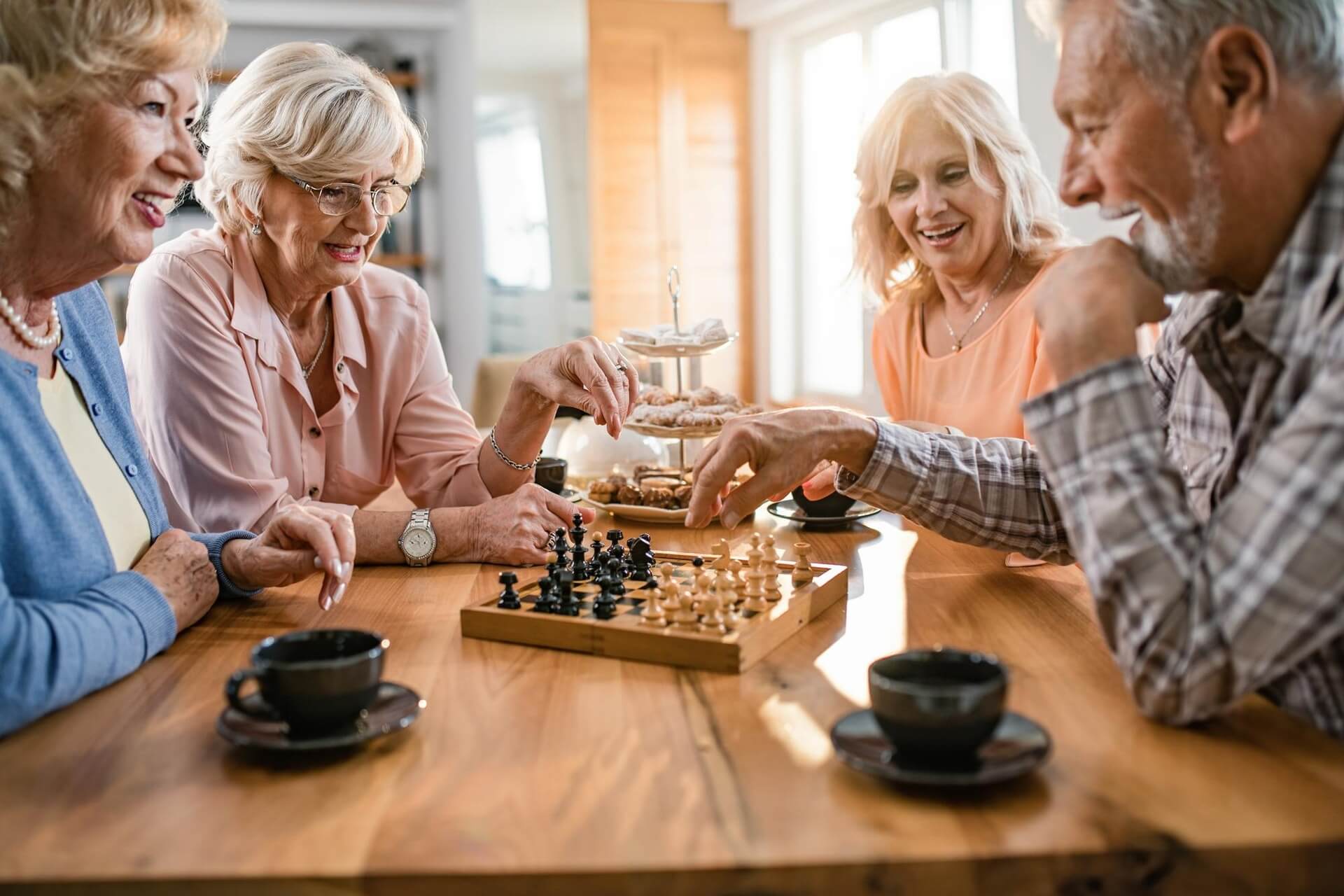
Good activities for elderly people with dementia include short walks, music, puzzles, art, and chores. The Australian Institute of Health and Welfare expects about 459,000 Australians to have dementia in 2026, and about 2 in 3 live in the community. Support at Home can cover occupational therapy to help plan activities that suit each stage.
Good activities for elderly people with dementia include gentle exercise, games, music, and art. Simple tasks around the home work well too. The best ones match what your loved one enjoyed and can still do.
Dementia affects a large and growing number of Australians. The Australian Institute of Health and Welfare (AIHW) expects about 459,000 Australians to be living with dementia in 2026. The AIHW also estimates that about 2 in 3 people with dementia live in the community.
Below, you'll find activity ideas for every stage of dementia. You'll also find tips on daily routines, safe spaces, and where to get support.
Why do activities matter for people with dementia?
Activities matter because they give a person with dementia structure, purpose, and connection each day. A regular activity gives your loved one something to look forward to. Doing tasks together also helps you stay close.
Regular activities can give a person with dementia these benefits:
- A daily routine built on familiar tasks
- Time with family, carers, and friends
- A chance to use the skills they still have
- Movement that keeps the body active
- A calm outlet for restlessness, worry, and other changes in behaviour
Simple, familiar tasks often work better than big, planned programs for people with dementia. Folding towels or watering plants can mean more to your loved one than a new game.
How do you plan a dementia activity schedule?
Plan a dementia activity schedule around the same routine each day. Match each activity to the person's energy, interests, and skills. Save harder tasks, like games or a walk, for when they feel most alert.
Short activities are easier to follow than long ones. One task at a time works best for most people with dementia.
A daily dementia activity schedule might look like this:
- Morning: A short walk, some stretching, or light gardening
- Mid-morning: A puzzle, a card game, or a craft
- After lunch: Music, a visit, or another social activity
- Late afternoon: A quiet, calming activity in a peaceful room
Late afternoon can be a hard time for some people with dementia. Plan active tasks for the morning, and keep late afternoons quiet and predictable. Extra confusion or restlessness at this time of day is often called sundowning.
A written activity plan helps when several people share the care of someone with dementia, including respite carers. Note what your loved one enjoyed, what upset them, and when it happened.
How to match dementia activities to a person's history
For someone with dementia, activities linked to their past work, hobbies, and culture often hold their interest best. A retired carpenter may enjoy sanding timber or sorting screws. A keen cook may enjoy stirring a bowl or sorting ingredients.
Familiar actions can feel natural to a person with dementia, even when new games feel confusing. Ask family and friends about the person's favourite jobs, places, and hobbies.
How to adapt dementia activities as abilities change
Dementia activities need to get simpler over time as abilities change. Dementia changes at a different pace for each person. In the early stage, many people can still enjoy crosswords, card games, and reading.
In the middle and later stages of dementia, music and activities using the senses often work better. Tasks using touch, sound, and smell need fewer instructions. Watch how your loved one responds, and make a task easier if it frustrates them.
The table below shows activities that often suit each stage of dementia. Every person is different, so use these ideas as a starting point.
What are the best physical activities for people with dementia?
Short walks and chair exercises are some of the best physical activities for people with dementia. Gentle yoga and dancing work well too. Pick movement your loved one enjoys, so it's easier to keep up.
Try some of these physical activities:
- Short walks on a familiar route or around the garden
- Light stretching or exercises done sitting in a chair
- Gentle yoga or tai chi classes for older people
- Watering plants, weeding, or planting seedlings
- Sweeping, folding laundry, or other familiar jobs around the house
- Dancing to favourite songs from their youth
A safe space matters whenever a person with dementia is moving around. Remove trip hazards and make sure the room is well lit. Stay close enough to help without taking over, because dignity of risk means respecting their right to make their own choices.
What cognitive activities and games work for people with dementia?
Cognitive activities for people with dementia include memory games, puzzles, and reading. Sharing old memories is another good option. Pick tasks that use thinking and memory without being too hard.
Memory games and puzzles for dementia
Large-piece jigsaw puzzles with familiar pictures suit many people with dementia. Pictures of Australian landscapes, animals, or family photos work well. Picture bingo uses photos of everyday objects instead of numbers, so it's easy to follow.
Simple card games, word games, and sorting tasks work well for many people with dementia. Sorting objects by colour or shape is easy to explain. If a game causes frustration, use fewer pieces or steps.
Reminiscence activities for dementia
Reminiscence activities help a person with dementia share their memories. Old photos, music, and familiar objects are gentle ways to start a chat. A planned version of this activity is called reminiscence therapy.
A memory box is an easy way to start sharing memories with someone who has dementia. Fill a box with special items, such as a recipe card, a holiday photo, or a footy club badge. Let your loved one lead, and don't correct names or dates they get wrong.
Reading and storytelling for dementia
Large-print books, short articles, and audiobooks suit many people in the early to middle stages of dementia. Reading aloud together turns a story into shared time. Picture books or magazines with bright photos help people who find reading hard.
What creative activities suit people with dementia?
Creative activities for people with dementia include painting, knitting, and colouring. Creative tasks let a person express themselves without words. A finished painting or scarf also gives them something to hold.
Try these creative activities at home:
- Painting or drawing with large brushes and simple subjects
- Knitting, crocheting, or threading large beads
- Making a collage from magazines and photos
- Colouring books made for adults
- Shaping clay or playdough
With creative activities for dementia, having fun matters more than the result. No painting or collage is right or wrong. Praise the effort and enjoy the time together.
What are sensory activities for people with dementia?
Sensory activities for people with dementia use touch, smell, sound, sight, and taste. Sensory tasks suit people in the middle and later stages who find talking hard.
Music activities for dementia
Familiar songs from a person's youth may bring back happy feelings and memories for someone with dementia. Play music from their favourite era or culture. Singing, clapping, and tapping along all count as taking part.
Loud or unfamiliar sounds can upset a person with dementia. Keep the volume gentle and turn off other noise during music time.
Touch and texture activities for dementia
Objects with different textures give a person with dementia something to feel without needing to talk or remember. Smooth stones, soft fabrics, and rough bark all work well. Aged care equipment suppliers sell fidget blankets and activity cushions made for sensory play.
A gentle hand massage with a familiar lotion can be calming for a person with dementia. Ask first, and stop if your loved one seems uncomfortable.
Smell and taste activities for dementia
Cooking simple recipes is a good smell and taste activity for people with dementia, because it uses smell, touch, and taste at once. Biscuits, pikelets, and a garden salad are easy places to start. Sorting dried herbs or spices may also appeal to someone who loved to cook.
Which cultural activities work for people with dementia?
Cultural activities for people with dementia draw on the music, food, language, and faith of their background. Activities linked to a person's culture can be very comforting. Familiar sights and sounds from home may help them feel settled.
Here are some cultural activities to try:
- Music in the person's first language or from their home country
- Traditional recipes from their childhood
- Cultural events or religious services, if the person can attend
- Films or TV shows from their culture
- Familiar cultural objects placed around the home
Culture matters for Aboriginal and Torres Strait Islander Australians with dementia. Ties to Country, community, and culture may be central to their wellbeing. Talk with the person's family and community about which activities are right.
What activities suit late-stage dementia?
Activities for late-stage dementia focus on comfort, the senses, and calm company. Talking and moving are often much harder in the later stages of dementia. The UK's National Health Service says music, objects to touch, and hand massage can all help people in the later stages.
Gentle options for late-stage dementia include these activities:
- Soft, familiar music playing in the background
- A gentle hand or foot massage
- Holding a textured object or soft toy
- Listening to someone read in a calm, quiet voice
- Watching familiar films or nature shows
- Sitting outside in a garden or courtyard
- A visit from a pet or therapy animal
In late-stage dementia, a relaxed body or a small smile counts as taking part. Calm time together matters more than visible activity.
How do you set up a safe space for dementia activities?
Set up a safe space for dementia activities by keeping it tidy, well lit, and quiet. Clear away clutter, avoid harsh glare, and turn off the TV unless you're using it. Check that chairs are comfortable and the right height for the task.
Adaptive tools make many activities easier for a person with dementia. Large-grip brushes, non-slip mats, and easy-to-hold game pieces all help. Keep activity items in the same place, where your loved one can see and reach them.
Where can you find dementia activity resources in Australia?
You can find dementia activity resources in Australia through government services and local groups. Aged care suppliers also sell helpful items. Many local programs are free or low cost.
Try these places for dementia activity resources:
- My Aged Care: The government's aged care gateway can connect you with Support at Home services.
- Dementia Australia: The national peak body runs the National Dementia Helpline.
- Aged care equipment suppliers: Suppliers sell sensory kits, fidget toys, and memory games made for dementia care.
- Libraries and community centres: Many offer low-cost dementia-friendly groups.
Does Support at Home cover occupational therapy for dementia?
Support at Home can cover occupational therapy for people with dementia. My Aged Care lists occupational therapy and music therapy among its allied health services. Your aged care assessor decides which services you can get.
An occupational therapist (OT) looks at what a person with dementia can still do. The OT then suggests activities, helpful tools, and changes to the home. The aim is an activity plan built on your loved one's strengths.
People who had a Home Care Package have now moved to Support at Home. Ask your provider whether occupational therapy can be added to your loved one's care plan.
FAQs
Can activities slow down dementia?
Activities can't cure dementia, but some structured activities may slow the decline in thinking skills for a short time. A 2023 Cochrane review looked at 37 studies with 2,766 people with mild or moderate dementia. The studies mostly tested small group sessions of word games, puzzles, and music.
The 2023 Cochrane review found a small boost to thinking and memory in people with dementia, about equal to a 6-month delay in expected decline. The benefit was short-term, and results varied a lot between studies. Talk with your loved one's GP about what to expect as dementia progresses.
How do you engage someone with dementia who refuses activities?
Someone with dementia who refuses an activity may accept it at another time of day. Offer it again later without pressure, or start with a favourite song or object. Short tasks with no right or wrong answer are often easier to accept.
What dementia activity equipment is worth buying?
Large-piece jigsaw puzzles and fidget blankets are useful dementia activity equipment. Picture bingo sets and sensory cushions are also worth buying. Look for items made for dementia care, because they're easier to use.
Keeping your loved one engaged at home with Sensible Care
Sensible Care helps older Australians living with dementia stay engaged at home through Support at Home. You can choose fully managed or self-managed Support at Home, depending on how involved you want to be.
Our allied health team includes occupational therapists. An occupational therapist can help plan activities around your loved one's strengths.
To talk about dementia support for your family, book a free consultation with our team.

Take the Next Step in Care
Download our Info Kit or speak to one of our friendly team members today.


Explore More Helpful Reads
More stories, guides, and updates to support you and your family.




Need Help Getting Started?
Reach out on your terms, pick a time that suits you and let’s talk about how we can help.


