

ADLs in aged care: What they are and why they matter
Activities of daily living (ADLs) are the self-care tasks aged care assessors look at. Learn what they include, how they're assessed, and how to get help.
Author: Sensible Care
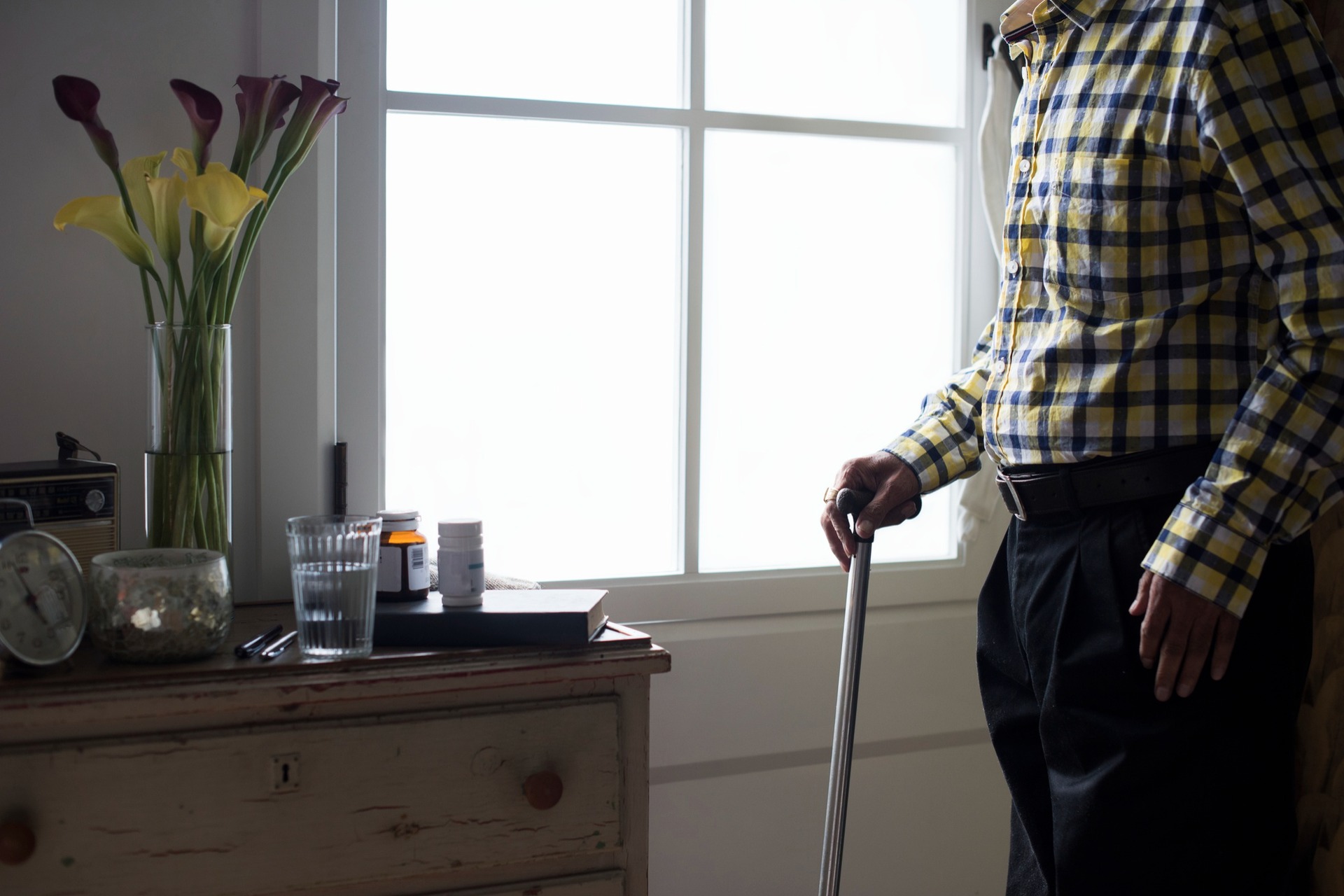
Activities of daily living (ADLs) are basic self-care tasks such as bathing and dressing. Instrumental ADLs cover tasks like cooking and managing money. An aged care assessor visits you at home to see how you manage these tasks, which shapes your Support at Home services and care plan. Caregivers can help by prompting, supervising, or providing hands-on support, while encouraging you to do as much as you safely can.
Activities of daily living (ADLs) are the everyday self-care tasks a person needs to manage to stay safe and independent at home. Aged care assessors look at how you manage these tasks to work out how much support you need. The assessment also shapes the care plan built around you.
Daily tasks such as showering, cooking, and paying bills can get harder with age, illness, or a stay in hospital. Knowing how these tasks are grouped and assessed makes it easier to ask for the right support. Support at Home services and family caregivers can then help with the tasks that have become difficult.
What are ADLs in aged care?
Activities of daily living (ADLs) are the basic self-care tasks you do every day, such as washing, dressing, eating, and using the toilet. They're one of the main things an assessor looks at to work out how much help you need at home.
Families often notice changes in daily tasks before anyone else does. A new struggle with showering, dressing, or cooking is often the first sign that you need more support.
Basic ADLs (self-care tasks)
Basic activities of daily living (ADLs) are the core physical tasks of personal care. They're closely linked to a person's safety and hygiene. The Katz Index of Independence in Activities of Daily Living, a widely used assessment tool, measures 6 basic daily activities:
- Bathing
- Dressing
- Toileting
- Transferring
- Continence
- Eating
Instrumental ADLs (IADLs)
Instrumental activities of daily living (IADLs) are the more complex tasks a person needs to manage to live on their own. They call for planning, problem-solving, or getting out into the community.
The Lawton Instrumental Activities of Daily Living Scale measures 8 instrumental tasks:
- Using the telephone
- Shopping
- Preparing meals
- Housekeeping
- Laundry
- Getting around
- Managing medications
- Handling money
Instrumental activities of daily living (IADLs) are often the first tasks to become harder. A decline here can be an early sign of physical or memory changes, even before basic self-care becomes difficult.
What is the difference between ADLs and IADLs?
Activities of daily living (ADLs) cover basic physical self-care. Instrumental activities of daily living (IADLs) cover the more complex tasks of running a home.
Basic tasks such as bathing, dressing, and eating focus on the body and keep you safe day to day. Instrumental activities of daily living (IADLs) need more thinking and organisation.
Is medication management an ADL or IADL?
Medication management is an instrumental activity of daily living (IADL). The Lawton Instrumental Activities of Daily Living Scale lists responsibility for your own medications as one of its 8 tasks. Keeping track of medicines takes planning, organisation, and a regular routine.
Managing medications usually involves:
- Ordering repeat prescriptions from a doctor or pharmacy
- Sorting doses into a weekly pill organiser
- Taking the right dose at the right time
- Watching for side effects and telling a doctor about any changes
Trouble managing medications can be picked up during an aged care assessment. Under Support at Home, personal care can include help with taking your own medicines. Nurses can give medicines when clinical care is needed.
What are the 12 activities of daily living?
The 12 activities of daily living are the everyday functions in Roper, Logan, and Tierney's nursing model. The list gives a broader view of how a person functions than the 6 basic daily activities:
- Maintaining a safe environment
- Communicating
- Breathing
- Eating and drinking
- Eliminating (toileting and continence)
- Personal cleansing and dressing
- Controlling body temperature
- Mobilising (moving around)
- Working and playing
- Expressing sexuality
- Sleeping
- Dying
The Roper, Logan, and Tierney model is a nursing model rather than an aged care assessment tool. Australian home care focuses more on the basic and instrumental daily tasks that matter for living safely at home.
Who can access aged care services in Australia?
You can apply for government-funded aged care if you have care needs and you're aged 65 or over, according to My Aged Care. You may also qualify from age 50 if you're Aboriginal or Torres Strait Islander, or homeless or at risk of homelessness.
An assessor from an aged care assessment organisation looks at how you manage everyday tasks to work out your eligibility and needs. These organisations replaced Aged Care Assessment Teams in December 2024. Today, every aged care assessment goes through the Single Assessment System.
In 2022, 39.8% of older Australians at home needed help with at least one personal or everyday activity, the Australian Bureau of Statistics found. The same survey found that 95.9% of older Australians lived in households rather than in cared-accommodation such as nursing homes.
How are ADLs assessed in home care?
An aged care assessor visits you at home to check how you manage each daily task, what makes it hard, and what would help. The assessment isn't a test you pass or fail, but a conversation and observation about your daily life.
After you apply through My Aged Care, an assessment organisation will call you within 2 to 6 weeks. If you're eligible, they'll arrange a time to see you at home.
An occupational therapist can also do a detailed assessment of your daily activities at home. They look closely at your home, your equipment, and the way you do each task. They may suggest a shower chair, a handrail, a different routine, or more help at home.
From 1 November 2025, Support at Home replaced the Home Care Packages and Short-Term Restorative Care programs. The Support at Home service list includes occupational therapy as a clinical support.
What are key topics in aged care you should know?
The key aged care topics for families are changes in everyday tasks, My Aged Care assessment, Support at Home, carer involvement, and safety at home. All five come up again and again once help with daily tasks is needed.
ADL and IADL decline
A change in everyday tasks is often what prompts a family to seek help. Warning signs include difficulty showering safely, forgetting medications, or not leaving the house. Acting early on any of these signs can help prevent a fall or a crisis.
My Aged Care and assessment
My Aged Care is the starting point for government-funded aged care services. You can apply online, which takes 15 to 20 minutes, or call 1800 200 422 to arrange an assessment. Registering early gives you time to plan before you need help urgently.
Support at Home
Support at Home funds in-home services such as personal care, domestic assistance, nursing, and allied health. Your assessment gives you a Support at Home classification, which sets your budget for these services.
Carer and family involvement
Many people rely on a family member or unpaid carer for help with daily tasks before formal care starts. Respite care gives carers a break while someone else steps in. Involving carers in care planning also keeps everyone working toward the same goals.
Safety at home
Falls, medication errors, and poor nutrition are among the most common risks for older people living at home. Regular help with daily tasks can lower these risks. Support at Home also funds equipment and home changes through the separate AT-HM scheme.
What does an ADL care plan look like?
An activities of daily living (ADL) care plan is a written record that lists each daily task, the help needed, and who provides it. Under Support at Home, a care plan records your needs, goals, and preferences, according to the Support at Home program manual.
A practical care plan usually covers:
- Personal care: which tasks the person manages alone, which need prompting, and which need hands-on help.
- Mobility and transfers: any equipment used, such as a walking frame or shower chair, and how to move safely.
- Meals: who prepares meals, any dietary needs, and whether help with eating is needed.
- Medications: who's responsible for prompting or giving medications.
- Domestic tasks: who looks after cleaning, laundry, and home maintenance.
- Community access: transport, shopping, and any social activities.
Under Support at Home, a care partner from your provider works with you on your care plan. The Support at Home program manual says the plan should be reviewed at least once every 12 months, or sooner if your daily abilities change.
ADL care plan example
A simple care plan entry for showering might look like this:
- Task: Showering
- Current ability: Can undress on their own but needs someone nearby in the shower because of balance problems.
- Support provided: A care worker visits 3 mornings a week, and a shower chair and grab rail are in place.
- Goal: Keep showering safely and look after skin hygiene.
Each task in a daily living care plan is reviewed regularly and updated when the person's needs change. A good care plan is a living document rather than a one-time form.
How can a caregiver support ADLs at home?
A caregiver can support daily tasks by prompting, supervising, or helping with part or all of a task. The right level depends on the task and the person's needs. The goal is to help where needed while encouraging the person to do as much as they safely can.
Encouraging a person to keep doing what they can is called a reablement approach, and it can help them keep their abilities for longer. Support at Home's Restorative Care Pathway offers up to 16 weeks of intensive allied health and nursing support. The pathway aims to help people regain or maintain their abilities.
Caregivers usually give 4 levels of help:
- Prompting: reminding the person to start a task, such as brushing their teeth or taking medication.
- Supervision: staying nearby for safety without physically helping, such as during a shower.
- Partial help: helping with one part of a task, such as doing up buttons.
- Full help: doing the task for the person when they can't do it safely.
An occupational therapist or care partner can help caregivers find the right level of involvement for each task. Respecting the person's right to make their own choices, known as dignity of risk, is part of getting that balance right.
FAQ
What is the difference between ADLs and personal care?
Personal care is the service term for hands-on help with activities of daily living (ADLs), while "ADLs" is the clinical assessment term. The 2 terms cover much the same tasks, such as bathing, dressing, grooming, toileting, and eating. Under Support at Home, personal care also includes help with taking your own medicines.
When should you ask for an ADL assessment?
You should ask for an assessment of your activities of daily living (ADLs) when everyday tasks start to feel unsafe, unreliable, or tiring. Common triggers include a recent fall, a hospital stay, a new diagnosis, or a family member noticing that hygiene or eating has slipped. Applying through My Aged Care early gives you access to an assessment and services sooner.
Can ADL support help someone stay at home longer?
Yes, steady and tailored help with daily tasks can help someone stay at home for longer. Regular help can lower the risk of falls, poor nutrition, and medication errors. These problems can lead to a hospital stay or an earlier move into residential care.
Getting help with daily tasks from Sensible Care
Sensible Care delivers Support at Home services matched to each daily task, from showering and dressing to meals and medications. If you'd rather manage your own care, self-managed Support at Home is available Australia-wide. You can check your eligibility online or contact our team to talk through the first step toward a care plan built around daily life.
These amounts are set by the Australian Government and change at least twice a year. Check health.gov.au for the current amounts before you make a decision.

Take the Next Step in Care
Download our Info Kit or speak to one of our friendly team members today.


Explore More Helpful Reads
More stories, guides, and updates to support you and your family.




Need Help Getting Started?
Reach out on your terms, pick a time that suits you and let’s talk about how we can help.


